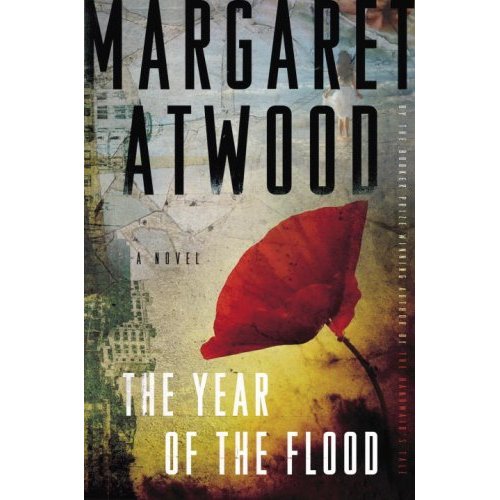
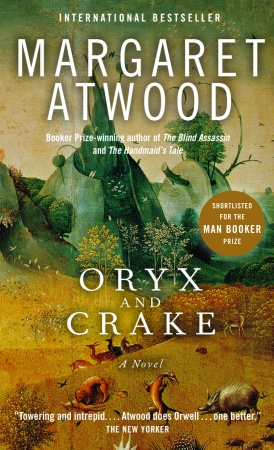
The Year of the Flood/Oryx and Crake by Margaret Atwood
Summary: Two books, two sides of the same world events. The Year of the Flood tells the tale of the post-pandemic world where a small nature cult survives by moving from safe house to safe house and sustaining themselves by growing everything they eat. The main character recalls to the days when she worked at a strip club, she longs for her high school sweetheart and finds strength in herself to lead the cult to safety and comfort in troubled times. This book interweaves several narratives of the members of the cult and how their lives have traveled the path to end up together in solace traveling together to find the place they can call home.
Oryx and Crake gives context to the pandemic through the eyes of a scientist’s best friend. He was in the middle of all the calamity and explains how he ended up being one of the few humans left and not only that, but left in charge of a group of a new race of humanoid creatures.
Review: Importantly, read The Year of the Flood before Oryx and Crake. This story will at times make the reader feel that tranquil post-apocalyptic quiet that feels like when you arrived at a place a party was supposed to happen, but you were the only one that didn’t know about its cancellation, so there you are with a bunch of balloons alone in a park. The prose is exquisite, the stories unique and so human and Atwood takes you somewhere into a possible future where you can entertain ideas of what you would do in their situation.
Rating (1-10): 9 gaze out of a broken window
Favorite part: “Every hollow space invites invasion.”
“In any case, time is not a thing that passes, said Pilar, it’s a sea on which you learn to float.” – The Year of the Flood p.101
“How poetent was that word. With.” P.314 Oryx and Crake
Wine-pairing: “The Cold Heaven” by W.B. Yeats. In Atwood’s novels, there are hints at allegory and myth, especially one that pertains to the ejection from society. Similar threads are woven into most of Yeat’s work, but I think especially this lyrical poem is worth using as a lovely reminder/bookmark in these two novels.
 Katarina Countiss